
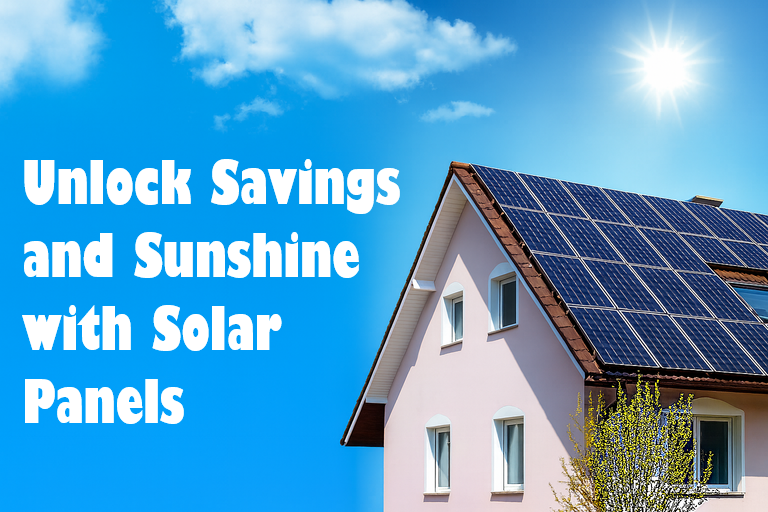

Imagine slashing your energy bills while powering your home with free, endless sunshine. No longer a futuristic fantasy, solar panels have become a savvy choice for UK homeowners and businesses seeking independence, savings, and sustainability. As prices soar and green goals loom, thousands are making the switch. But where do you start? Which panels perform best? How many fit your roof? Monocrystalline or polycrystalline? And what about batteries or EV chargers? This guide cuts through the confusion, unpacking types, workings, sizing, setup, perks, and tips for smart solar success.
Why Switch to Solar in 2025
Solar shines brighter than ever.
- Grab 0% VAT on home installs, pocketing hundreds instantly.
- Panel costs have plunged over 30%, putting systems in reach.
- Generate your own electricity to trim bills by £400-£600 yearly.
- Export extras via the Smart Export Guarantee (SEG) and get paid.
- Elevate your EPC rating, boosting property appeal and value.
- Lock in costs against hikes for 25+ years.
- Slash carbon emissions, backing Net Zero 2050.
- Businesses cut overheads and flaunt eco-credentials.
Panel Types: Monocrystalline vs Polycrystalline
Monocrystalline panels, forged from pure silicon crystals, deliver sleek dark looks and 20%+ efficiency. They thrive in tight spaces, cloudy UK skies, and last longer. Polycrystalline, blended from silicon bits, sport blue hues with 15-18% efficiency at budget prices – great for big roofs. Both battle weather; PERC hybrids amp up output. Thin-film flexes for odd shapes but demands more room.
How Solar Works and Sizing Essentials
Sunlight hits silicon cells, sparking electrons for DC power, flipped to AC by an inverter. Hook to your mains for seamless solar-grid blend; surplus sells back.
Size smart: Average homes use 3,700 kWh annually. A 4 kW setup (10-12 panels) covers 70-80%, eyeing south-facing roofs, pitch, shade, and 1,000-1,500 sunny hours. Factor future EVs or pumps.
>> Battery and EV Boosts
Add lithium batteries (5-13 kWh) to hoard daytime juice, hiking self-use to 70-80% with outage backup. Feed EV chargers direct from solar, saving £200-300 on fuel.
>> Setup, Perks, and Payoff
Pros handle MCS-certified installs in 1-2 days: assess, mount, wire, connect. 4 kW systems run £5,000-£8,000 post-VAT. Snag SEG (up to 15p/kWh), grants. Recoup in 6-8 years; pocket £15,000-£20,000 over lifespan. Low upkeep: rinse occasionally, inspect yearly.
Pro Tips for Peak Performance
- Aim south at 30-40 degrees.
- Track via apps.
- Team with efficient gadgets.
- Pick hybrid inverters.
- Lock in warranties.
Solar turns roofs into money-makers and planet-savers. Dive in today for warmer wallets and a cooler world.